Tuckpointing in St. Louis for Stronger Brickwork
Tuckpointing in St. Louis for Stronger Brickwork
Blog Article
Tuckpointing: Vital Strategies for Preserving Masonry Durability
Tuckpointing is a critical process to maintain the structural integrity of brickwork. This requires repairing and reinforcing the mortar joints, which are essential for durability. Ignoring indications of wear can cause more severe problems, including water damage. It is imperative to understand the techniques and tools required for proper tuckpointing. As the review progresses, the importance of proper maintenance and common pitfalls will become clear. What should be thought about before initiating such a project?
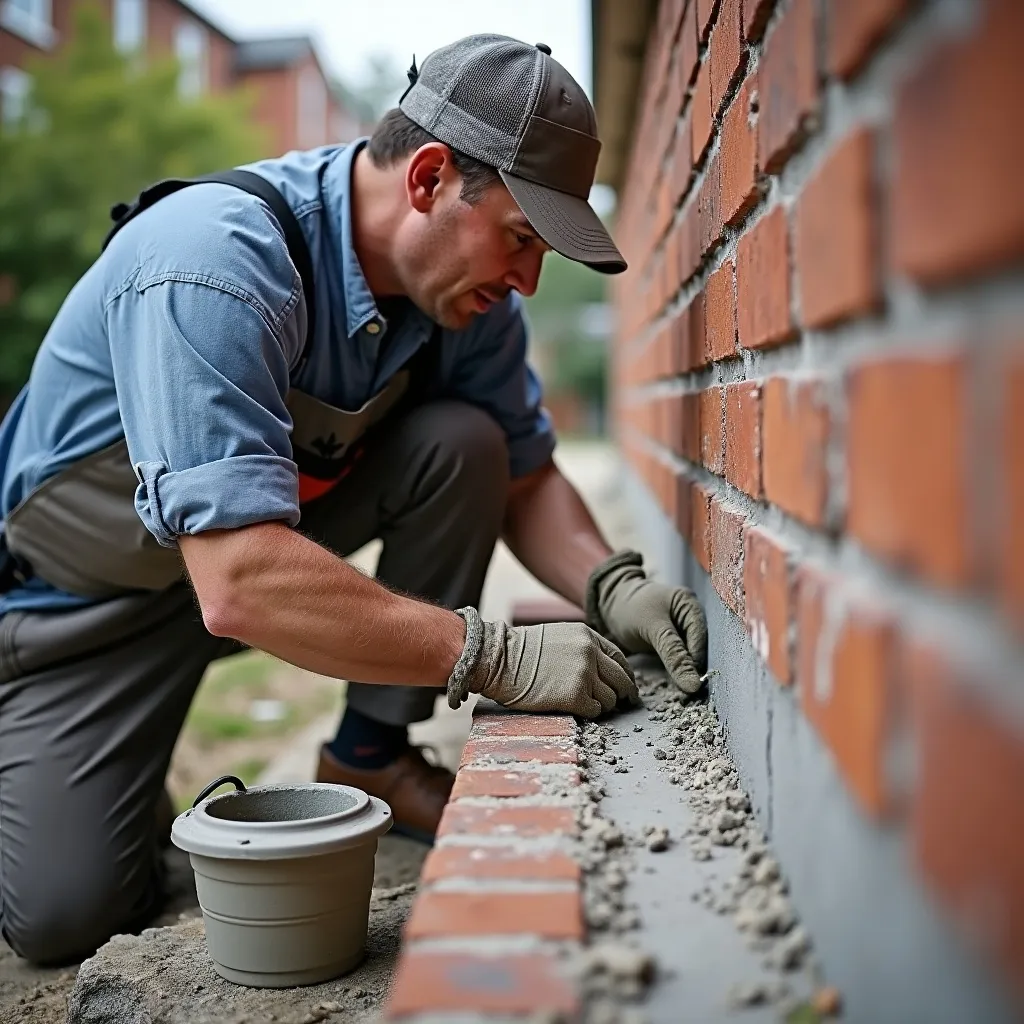
Signs Your Brickwork Needs Repointing
Brickwork deterioration can often be understated, making it simple to miss critical maintenance needs. Homeowners should stay vigilant for particular signs indicating that tuckpointing may be necessary. One prominent indicator is the existence of cracks in the mortar joints, which can undermine the structure's integrity. Additionally, discoloration or crumbling mortar may signal that water is seeping into the brickwork, leading to additional damage. Efflorescence, a white, powdery substance on the surface, often signifies moisture issues and can suggest that tuckpointing is required. Another warning sign is the presence of shifting or loose bricks, which can indicate severe degradation. Finally, if water infiltration is observed during heavy rainfall, it is essential to address the underlying issues promptly. Recognizing these signs early can prevent more extensive repairs and extend the lifespan of the brickwork, ensuring the structure remains secure and appealing.
What Is Tuckpointing and Why Ought You Mind?
Tuckpointing is a specialized masonry method that involves repairing and restoring the mortar joints between bricks. This method is essential for maintaining the structural integrity of brickwork, as eroding mortar joints can result in water infiltration, mold growth, and further deterioration. By cautiously extracting damaged mortar and replacing it with a new mixture, tuckpointing not only improves the look of brick structures but also prolongs their durability.
Homeowners and building managers ought to recognize the importance of tuckpointing because it functions as a proactive defense against expensive maintenance ahead. Ignoring indicators of deterioration may cause more extensive damage, thereby jeopardizing the appearance and structural soundness of your property. Frequent tuckpointing maintains the market value of brick structures and assures they stay robust in the face of weather conditions. Learning this technique remains crucial for people invested in the durability of their masonry installations.
Essential Tools and Supplies for Successful Tuckpointing
Proper masonry joint repair requires particular tools and materials to guarantee effectiveness and durability. Essential tools include a masonry trowel, which is vital for applying mortar, and a jointer, used to shape the mortar joints. A brick hammer is also beneficial for removing damaged mortar and adjusting bricks as needed. Additionally, a mortar mixer secures a uniform blend for optimal adhesion.
When considering materials, premium mortar is essential, typically a mix that complements the original brickwork for visual appeal and structural compatibility. A mortar bag with a nozzle facilitates precise application, while a pointing tool ensures the joints smoothly. Safety gear, read the information including gloves and goggles, is required to protect against dust and debris. Finally, a wire brush can prepare surfaces before application, guaranteeing a strong bond between old and new mortar. Together, these tools and materials improve the tuckpointing process, contributing to the longevity of the brickwork.
Steps for Tuckpointing Your Brickwork: A Complete Resource
Revitalizing deteriorating masonry starts with a methodical approach to tuckpointing. First, the area to be repaired should be meticulously cleansed, eliminating old mortar and debris with a chisel or grinder. This guarantees proper adhesion for new materials. Next, the technician combines a compatible mortar, considering color and texture to match the existing brickwork.
Once the mortar reaches the right composition, it is placed to the joints using a tuckpointing tool. Careful attention should be given to completely pack the joints, ensuring no gaps remain. Following application, the mortar is molded to match the original profile of the joint, often using a pointing trowel or jointer for precision.
Finally, the newly tuckpointed joints should be allowed to properly cure, typically covered with a damp cloth to avoid rapid drying. This methodical approach not only enhances the aesthetic appeal but also fortifies the structural integrity of the brickwork.
Frequent Mistakes to Prevent During Tuckpointing
During tuckpointing, various typical mistakes can harm the quality of the work. Neglecting weather conditions, choosing the wrong type of mortar, and overlooking surface preparation are significant problems that can generate unsatisfactory results. Familiarity of these pitfalls is necessary for achieving durable and aesthetically pleasing brickwork.
Dismissing Weather Situations
Although it might seem desirable to proceed with tuckpointing without regard to weather conditions, this mistake may cause serious problems. Adverse weather, including rain, extreme heat, or freezing temperatures, can undermine the effectiveness of mortar and the overall integrity of the repair. For example, moisture can degrade mortar adhesion and cause premature deterioration. Likewise, applying mortar in high heat can result in fast drying, which prevents proper curing. Cold temperatures can impede the setting process, raising the chance of cracks and failures. Therefore, it is important to check weather forecasts and select optimal conditions for tuckpointing. By honoring the elements, one can ensure a long-lasting and effective repair of brickwork, thereby preserving the structure’s integrity.
Improper Grout Selection
A typical oversight in tuckpointing is the selection of an improper mortar mix, which can undermine the repair's effectiveness. The mortar applied must match the original in composition, color, and texture to ensure compatibility with the existing brickwork. Using a mix that is too hard, such as Portland cement, can trap moisture and lead to decay, while an overly soft mix may not provide adequate support. Additionally, disregarding the specific environmental conditions, such as freeze-thaw cycles, can result in further damage. Tuckpointers must also avoid using pre-mixed mortars that lack the necessary flexibility and durability. Proper mortar selection is crucial for upholding structural integrity and achieving a visually appealing finish in tuckpointing projects.
Avoiding Surface Treatment
Ignoring surface preparation can severely damage the success of tuckpointing work. Many people underestimate the value of cleaning and assessing the brickwork before starting the tuckpointing process. Failing to remove old mortar, grime, and debris may cause poor attachment of the new mortar, leading to an unstable repair. Moreover, neglecting the inspection of the brick condition can hide underlying problems, such as moisture intrusion or structural damage. This oversight can eventually cause further deterioration, canceling out any gains from the tuckpointing procedure. Proper surface preparation ensures the new mortar bonds well and improves the overall durability of the repair, making it crucial for achieving lasting results in brickwork restoration.
Best Methods to Maintain Your Tuckpointed Brickwork in Good Condition
To maintain the longevity of tuckpointed brickwork, periodic evaluations are vital to detect emerging problems early. Cleaning should be conducted with attention to avoid harming the mortar or bricks. Additionally, swift repair approaches can avert minor concerns from becoming major structural problems.
Scheduled audits expected
Maintaining the longevity of tuckpointed brickwork depends on regular inspections, which are crucial in spotting potential issues before they get worse. Property owners must conduct these inspections at least twice yearly, paying careful attention to mortar joints, brick integrity, and signs of water damage. Keep an eye out for cracks, crumbling mortar, or discoloration, as these may signal underlying problems. Additionally, checking for vegetation growing in cracks can help stop further damage. Documenting the findings will aid in tracking changes over time, making it easier to resolve any issues quickly. If any concerns arise during inspections, consulting a professional provides expert guidance on necessary repairs. By making regular inspections a priority, the durability and appearance of tuckpointed brickwork can be maintained for years to come.
Clean Carefully
Maintaining the beauty and condition of tuckpointed brickwork requires careful cleaning techniques that avoid harm while improving its look. Brick surfaces are porous and can absorb moisture and contaminants, requiring gentle cleaning approaches. Soft-bristle brushes and mild detergents are ideal for removing dirt and grime without harming the mortar or brick itself. High-pressure washing should be avoided, as it can erode mortar joints and weaken structural integrity. Additionally, using acidic cleaners can harm the brick’s surface and lead to discoloration. Regularly scheduled cleanings, preferably during dry seasons, help minimize the buildup of pollutants. By adhering to these careful cleaning practices, homeowners can extend the longevity of their tuckpointed brickwork and maintain its aesthetic appeal.
Fast Repair Methods
Promptly tackling any evidence of damage or decay in tuckpointed brickwork is vital for maintaining its longevity and visual appeal. Homeowners should regularly inspect joints for splits, falling-apart mortar, or fading color, which may point to damp penetration or framework pressure. When restorations are needed, using a suitable mortar mix assists in retaining the authentic look and construction integrity. It is essential to guarantee that the repair material is consistent with the existing mortar in shade, grain, and blend. Additionally, coating the repaired areas can protect against moisture damage and halt more damage. Regular maintenance, including cleaning and repointing, will enhance the durability of tuckpointed brickwork, helping it stay visually appealing and secure for a long time.
Popular Asked Questions
How Much Time Will Tuckpointing Remain Following Completion?
Tuckpointing generally lasts 10 to 30 years in duration, based on elements like environmental conditions, the standard of materials applied, and the skill of the application. Consistent upkeep is able to extend its lifespan considerably.
Can I Tuckpoint Over Current Mortar Joints?
Yes, mortar repointing can be completed over current mortar joints. However, it's crucial to guarantee the joints are structurally sound and free of significant damage or deterioration to obtain the optimal outcomes and durability.
Can Tuck pointing Work for All Types of Brick?
Tuckpointing isn't suitable for all brick kinds. It performs best on soft, clay bricks while harder materials could need other methods. Evaluating the brick type guarantees excellent results and longevity of the repair.
What Climate Conditions Are Best for Tuck Pointing?
Most favorable weather conditions for tuckpointing entail dry conditions with temperate heat, typically between 50°F and 80°F. Avoiding rain, extreme heat, or freezing temperatures guarantees adequate setting and adhesion of the mortar, improving the effectiveness of the repair.
How Much Does Professional Tuckpointing Price on Average?
On typically, professional tuckpointing costs between $3 and $10 per square foot, depending on multiple factors such as location, complexity of the job, and the contractor's experience. Extra charges may be incurred for significant repairs.
Report this page